How to Trade Meme Coins Without Blowing Up Your Account
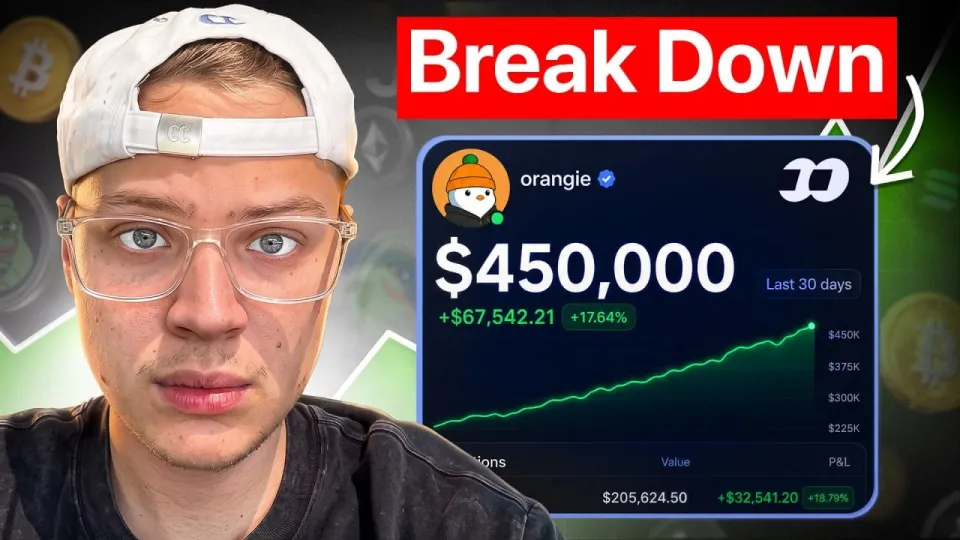
Video: How I Made $450,000 Trading Memecoins in 30 Days
Want articles like this for your own video to promote it on YouTube and Google? Order them through the Telegram bot @sat_sit_bot. The bot writes and publishes the articles itself (with your YouTube video embedded) on popular topical websites (no ads). Free trial — 50 articles.
Key takeaways
- Meme coins are high-risk, high-volatility tokens driven by community and hype, often on Solana.
- A trader in the Orangie Web3 video turned $450,000 in 30 days, but most traders lose money.
- Use only risk capital and set hard stop-losses; one big win can offset many small losses.
- Tools like FOMO and Discord groups help spot trends, but beware of insider sniping.
- Always verify token contracts and liquidity before buying; rug pulls are common.
Meme coins are cryptocurrencies inspired by internet memes, often with no underlying utility, and trading them profitably requires strict risk management, fast execution, and a clear exit strategy. Unlike traditional investments, meme coins can surge or crash within minutes, so you need rules to avoid blowing up your account. The Orangie Web3 video “How I Made $450,000 Trading Memecoins in 30 Days” illustrates both the potential and the pitfalls, and you can access the trader’s community and tools through the Kaizen Group checkout.
What Are Meme Coins and Why Do They Pump?
Meme coins are tokens that derive value primarily from community sentiment and viral trends rather than fundamentals. Dogecoin, Shiba Inu, and newer Solana-based tokens like Chill Guy and Jimothy are examples. Their price movements are driven by social media hype, influencer mentions, and coordinated buying. Because they often have low liquidity and concentrated ownership, they can experience explosive gains—and equally rapid dumps. The appeal is the chance for 100x or 1000x returns, but the risk of losing everything is equally real.
How to Spot a Meme Coin Before It Pumps
Spotting a potential winner early requires monitoring social signals, on-chain data, and community activity. Successful traders often use tools that track new token launches, volume spikes, and influencer wallets. For example, platforms like FOMO (available via Orangie’s referral link) aggregate real-time data on trending meme coins. Key indicators include a sudden increase in unique holders, high trading volume relative to market cap, and active Telegram or Discord discussions. However, be cautious: many “signals” are paid promotions or insider plays.
Step-by-Step: How to Enter and Exit a Meme Coin Trade
A disciplined entry and exit plan is critical to surviving meme coin volatility. Here’s a simple framework:
- Research the token: Check the contract address, liquidity locked, holder distribution, and social channels. Avoid tokens with a single wallet holding over 20% of supply.
- Define your risk: Decide how much you’re willing to lose entirely. A common rule is no more than 1-2% of your portfolio per trade.
- Set entry and exit points: Use limit orders or set alerts. Plan to take profits in tranches—e.g., sell 50% at 2x, 25% at 5x, and let the rest ride.
- Use stop-losses: Since meme coins can drop 90% in minutes, a hard stop-loss at -30% to -50% is advisable.
- Monitor and adapt: Watch for signs of a rug pull (liquidity removal, large sells by top holders) and exit immediately if they occur.
The Role of Community and Discord Groups in Meme Coin Trading
Community and Discord groups can provide early alerts and collective momentum, but they also carry risks. In the Orangie Web3 video, comments suggest that top traders often share calls in private Discords, sometimes sniping coins before the public. While joining a community like Orangie’s Discord can offer insights, be aware that you may be exit liquidity for better-informed traders. Always do your own research and never blindly follow calls.
Common Mistakes and How to Avoid Them
Most losses in meme coin trading come from emotional decisions, lack of a plan, and ignoring red flags. Common mistakes include FOMO buying after a huge pump, not taking profits, and holding through a crash hoping for a rebound. Another pitfall is investing more than you can afford to lose. To avoid these, stick to your risk rules, use take-profit orders, and accept that losing trades are part of the game—one big win can cover many small losses, as one viewer noted after turning $100 into $300 on AMC coin.
Useful Links
- Kaizen Group checkout – access the trader’s community and resources.
- FOMO trading platform – real-time meme coin analytics.
- Orangie’s Discord – join the discussion.
- Orangie on Instagram – follow for updates.
Final Thoughts
Trading meme coins is not a get-rich-quick scheme; it requires discipline, research, and risk management. The $450,000 in 30 days result highlighted by Orangie Web3 is exceptional and not typical—most traders lose money. Use the tools and communities available, but always prioritize protecting your capital. For more insights, check out Orangie Web3’s content and consider joining the Kaizen Group to learn from experienced traders.
Source: How I Made $450,000 Trading Memecoins in 30 Days · Markdown version
Questions & answers
How much money do I need to start trading meme coins?
You can start with as little as $50–$100, but only use money you can afford to lose. Many traders begin with small amounts to learn the ropes, as one viewer did with $100 before scaling up.
What is the biggest risk with meme coins?
The biggest risk is a rug pull, where developers remove liquidity and the token price crashes to zero. Other risks include extreme volatility and low liquidity, which can make it hard to sell.
Can I really make 100x on a meme coin?
Yes, it’s possible but rare. Most meme coins fail, and chasing 100x returns often leads to losses. Focus on asymmetric bets where you risk a small amount for a potential large gain, and always take profits.
Is it better to trade meme coins on Solana or Ethereum?
Solana is popular for meme coins due to low fees and fast transactions, making it easier to trade frequently. Ethereum has higher fees but hosts established tokens like Shiba Inu. Choose based on your strategy and risk tolerance.